Full Checklist Of Verified Peptide Suppliers With Certificates
@garrettized813
Verification Steps
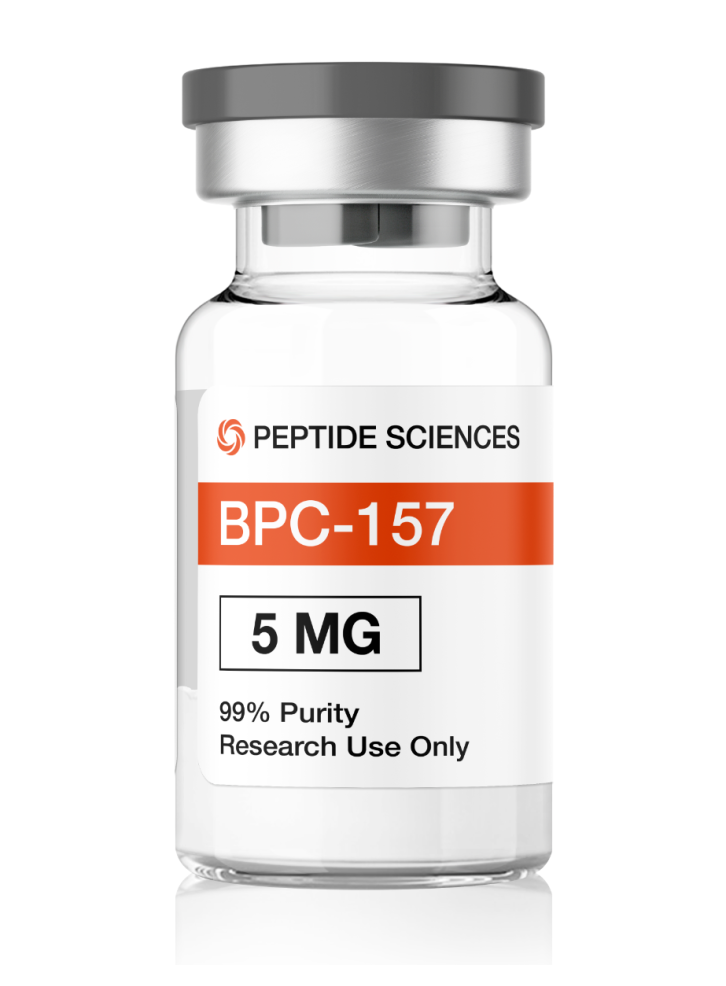
Clearly, there is a lot more than 5mg of "stuff" because vial. While identification, amount, and sterility are uncomplicated and critical, pureness is not something that is being totally & appropriately evaluated today and is giving an incorrect complacency to customers in this area. Confirm the safety and efficiency of your reconstitution service.Is 95% purity helpful for peptides?
Peptides with an 85% purity level or better are normally made use of in enzyme assays or organic task researches. Peptides with purity higher than 95% are superb for quantitative evaluation.
Pureness Qualities Clarified
Together, these devices give a clear and comprehensive photo of peptide structure, guaranteeing researchers can trust their data. Other spectroscopic techniques, such as Infrared (IR) or UV-Vis analysis, are in some cases utilized for rapid top quality checks or structural verification. All PRG items are planned exclusively for artificial insemination research or further production use. For most research functions, high purity indicates you can be positive that the vast majority of the molecules in your vial are the correct peptide, which helps make sure experimental uniformity and reproducibility.Endotoxins
It's an added action that offers researchers confidence that each peptide satisfies constant, verifiable standards. Peptide pureness is typically shared as a percentage, such as 95% or 98%. This figure represents just how much of the sample is composed of the wanted peptide sequence. For the majority of laboratory applications, a purity of 95% or greater is thought about research-grade. Previous write-ups in this series have highlighted exactly how peptide synthesis has made it possible for the advancement of a wide variety of effective vaccinations and therapeutic representatives.- If you liquify a 5 mg vial presuming all 5 mg is energetic peptide, your molar focus will certainly be incorrect.
- For research-grade peptide certification, HPLC and LC-MS/ESI-MS solution various questions and must be read together.
- It works as a suggestion and lawful please note that the product is not a restorative or palatable.
- MS verifies the appropriate molecular weight and is very sensitive to mass distinctions corresponding to amino acid substitutions, removals, or alterations.
◇